🎮 Arabic Writing Sliding Puzzle 🎮
🌟 How to Play: 🌟
- 🎯 Click any tile adjacent to the empty space to slide it
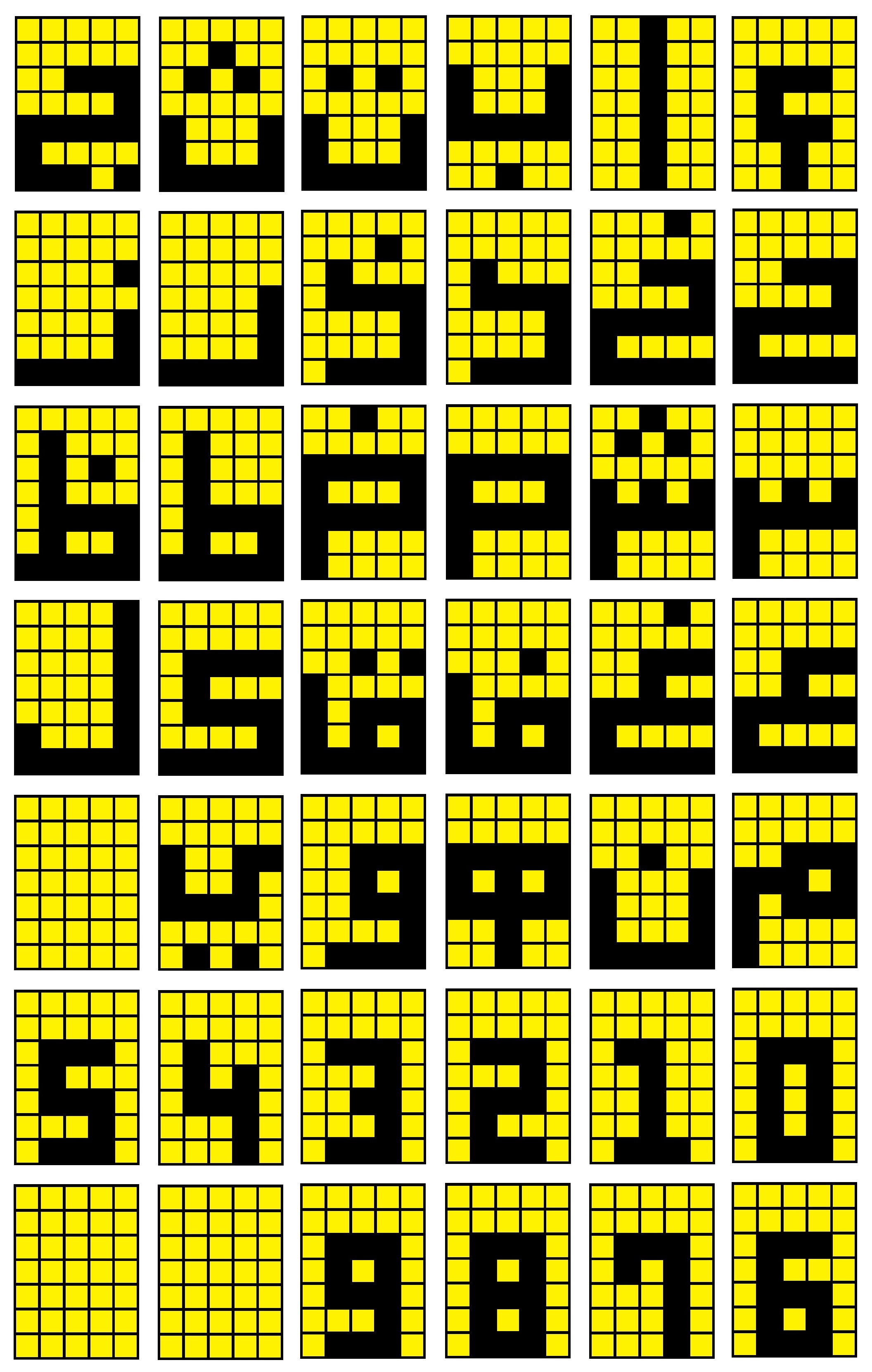
- 📝 Form Arabic letters and numerals in 5×7 grid
- 🔄 Use "Flip Puzzle" to see the reference patterns on the back
- 🏆 Complete challenges by forming the correct patterns AND moving the empty space to row 1 or 9
- 🌈 Change tile colors to suit your preferences!
🎯 Current Challenge:
💡 Tip: Use the flip button to see the reference pattern on the back of the puzzle, just like the physical version! The empty space must be in row 1 or 9 to complete the challenge.
🎓 Educational Purpose
This digital version mimics the physical sliding puzzle. Form Arabic letters (Challenge 1-29) and Arabic numerals (challenge 30-39) by sliding tiles, then flip to check against the reference patterns! Perfect for kids learning Arabic letters and numerals! 🎉
Important Note: This game is based on the "Standard Script" developed by Professor Abdelmalek Bouhadjera in 1990 for writing Arabic with a detached script. This script takes into account the hamza and short vowel marks (Harakat) and allows for automated processing of the Arabic language.
📚 Important Points to Remember:
- The Arabic alphabet has 29 letters, not 28.
- The number of consonants is 28, including the hamzat al-qata' (ء).
- The number of long vowels is 3 (ا, و, ي).
- The number of short vowels is 3 (Fatha, Damma and Ksra).
- The number of semi-vowels is 2 (و, ي).
- The auxiliary symbols for writing script are 3 (ه, ة, ى), and are not part of the alphabet.
- The short vowels are supposed to be part of the alphabet, but they are sometimes not written because Arabic is a derivational language.
- The shaddah (الشدّة) is extremely important because it indicates a doubled letter.
Digital Version © 2025 - All Rights Reserved
النسخة الرقمية © 2025 - جميع الحقوق محفوظة